
Contents
- 🤔 What Exactly is Imposter Syndrome?
- 🎯 Who Experiences It (and Why It's Not Just You)
- 💡 Recognizing the Signs: Are You an Imposter?
- 🚀 Overcoming the Feeling: Strategies That Work
- ⚖️ Imposter Syndrome vs. Genuine Self-Doubt
- 📚 Key Figures and Research in Imposter Syndrome
- 📈 The Vibe Score: Cultural Resonance of Imposter Syndrome
- 🌐 Where to Find Support and Resources
- Frequently Asked Questions
- Related Topics
Overview
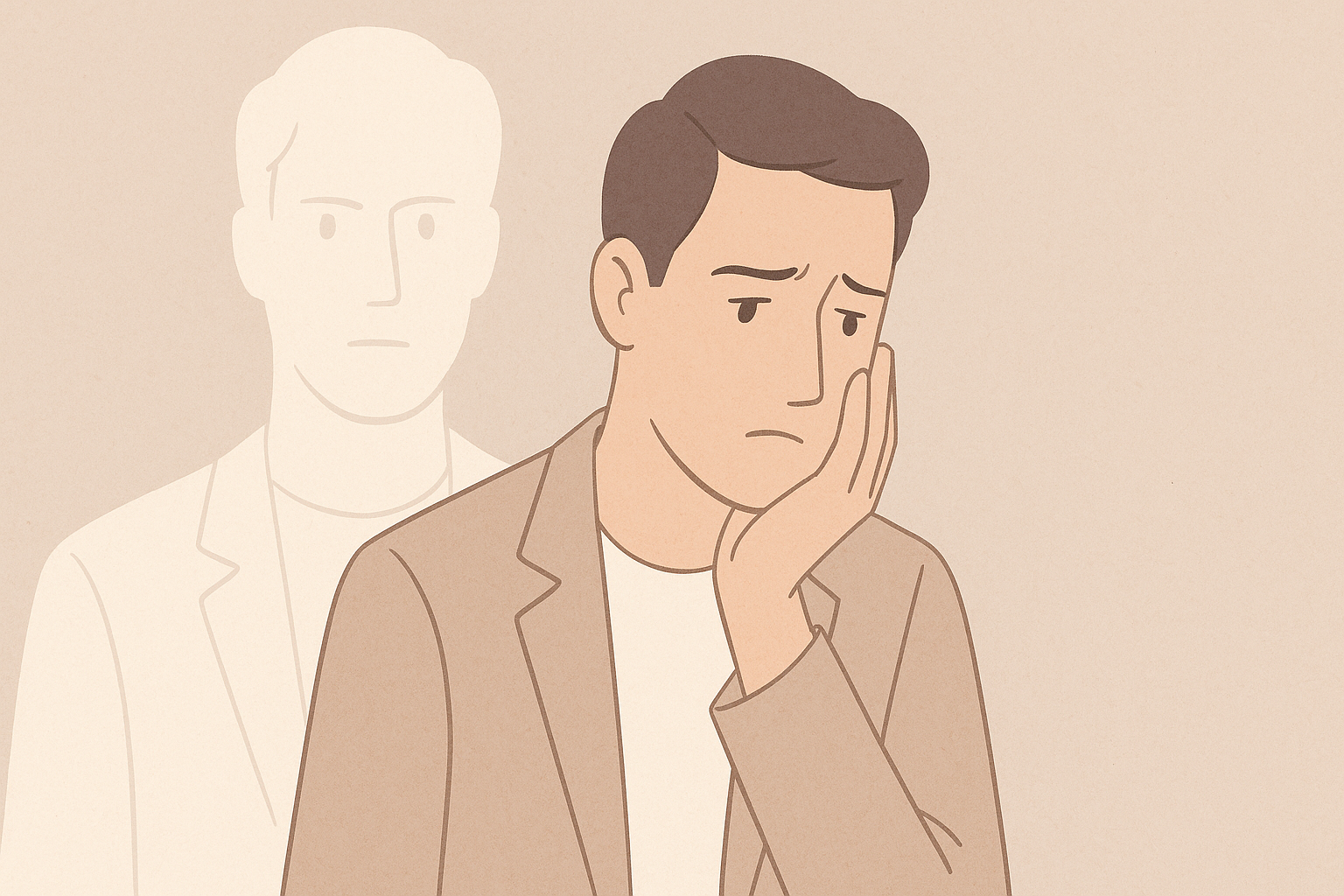
Imposter syndrome is a psychological pattern where individuals doubt their skills, talents, or accomplishments and have a persistent internalized fear of being exposed as a 'fraud.' Despite external evidence of their competence, those experiencing it remain convinced that they are undeserving of their success and have somehow deceived others into thinking they are more intelligent or capable than they perceive themselves to be. This phenomenon is not a recognized mental disorder but a pervasive experience affecting high-achievers across various professions and walks of life. It can lead to anxiety, burnout, and a reluctance to pursue new opportunities for fear of failure and subsequent exposure.
🤔 What Exactly is Imposter Syndrome?
Imposter syndrome is that persistent, internalized feeling that you're a fraud, despite evidence of your competence and success. It's not a clinical diagnosis in the DSM, but rather a psychological pattern where individuals doubt their accomplishments and have a pervasive fear of being exposed as incompetent. This phenomenon often strikes high-achievers, leading them to attribute their success to luck, timing, or deceiving others, rather than their own skills and hard work. Understanding this internal narrative is the first step in dismantling its power.
🎯 Who Experiences It (and Why It's Not Just You)
You're not alone if you're wrestling with imposter syndrome. It's estimated that up to 70% of people experience these feelings at some point in their lives. While often associated with women in early research, subsequent studies have shown it affects individuals across all genders, professions, and backgrounds. Factors like perfectionism, being in a minority group, or starting a new, challenging role can amplify these feelings. It's a common human experience, not a sign of inherent inadequacy.
💡 Recognizing the Signs: Are You an Imposter?
The signs of imposter syndrome can be subtle but pervasive. Do you find yourself downplaying compliments or attributing success to external factors? Do you constantly fear being 'found out' or that you're not good enough, even when you've achieved significant milestones? Other indicators include overworking to compensate for perceived shortcomings, procrastinating due to fear of failure, or setting unrealistically high goals. Recognizing these patterns is crucial for addressing them effectively.
🚀 Overcoming the Feeling: Strategies That Work
Fortunately, imposter syndrome is not an insurmountable barrier. Strategies for overcoming it often involve reframing your thoughts, such as consciously acknowledging your achievements and attributing them to your efforts. Practicing self-compassion, talking about your feelings with trusted friends or mentors, and focusing on progress rather than perfection can significantly reduce its impact. Learning to accept constructive criticism without internalizing it as proof of inadequacy is also a vital skill.
⚖️ Imposter Syndrome vs. Genuine Self-Doubt
It's important to distinguish imposter syndrome from genuine self-doubt, which is often based on objective feedback or a lack of specific skills. While imposter syndrome is a disconnect between internal feelings and external reality, genuine self-doubt can be a signal for learning and development. The key difference lies in the pervasive, irrational nature of the fear of being exposed as a fraud, even when evidence points to the contrary. True self-doubt usually has a more concrete basis.
📚 Key Figures and Research in Imposter Syndrome
The concept of imposter syndrome was first identified in 1978 by psychologists Pauline Rose Clance and Suzanne Imes, who initially focused on high-achieving women. Their seminal work, 'The Imposter Phenomenon in High-Achieving Women: Dynamics and Therapeutic Intervention,' laid the groundwork for much of the subsequent research. Other notable figures like Dr. Valerie Young have further expanded on the topic, identifying different 'imposter types' and offering practical coping mechanisms.
📈 The Vibe Score: Cultural Resonance of Imposter Syndrome
The cultural resonance of imposter syndrome, which we might score around a 75/100 on our Vibe Score, reflects its widespread recognition in modern society. As discussions around mental health and workplace dynamics become more open, the phenomenon is increasingly acknowledged. This increased visibility, fueled by social media and personal narratives, has both normalized the experience and spurred demand for effective coping strategies, indicating a growing cultural awareness of its impact.
🌐 Where to Find Support and Resources
If you're struggling with imposter syndrome, seeking support is a powerful step. Many therapists and counselors specialize in cognitive behavioral therapy (CBT) or other modalities that can help reframe negative thought patterns. Online communities and support groups offer a space to share experiences and learn from others. Books and workshops dedicated to overcoming imposter syndrome provide practical tools and insights. Don't hesitate to reach out for professional guidance or peer support.
Key Facts
- Year
- 1978
- Origin
- Coined by psychologists Pauline Rose Clance and Suzanne Imes in their 1978 study on high-achieving women.
- Category
- Psychology & Self-Help
- Type
- Psychological Phenomenon
- Format
- what-is
Frequently Asked Questions
Is imposter syndrome a mental illness?
No, imposter syndrome is not classified as a mental illness in diagnostic manuals like the DSM-5. It's considered a psychological pattern or phenomenon characterized by self-doubt and a fear of being exposed as a fraud. While it can contribute to anxiety and depression, it is distinct from a formal diagnosis.
Can imposter syndrome be cured?
Imposter syndrome isn't typically 'cured' in the traditional sense, but it can be effectively managed and its impact significantly reduced. Through strategies like cognitive reframing, self-compassion, and seeking support, individuals can learn to challenge these feelings and build a more accurate self-perception of their abilities and accomplishments.
What are the different types of imposter syndrome?
Dr. Valerie Young identifies several 'imposter types,' including the Perfectionist, the Expert, the Soloist, the Natural Genius, and the Superman/Superwoman. Each type manifests imposter feelings through different behaviors and thought patterns, such as setting impossibly high standards or believing they must achieve everything independently.
How does imposter syndrome affect career progression?
Imposter syndrome can hinder career progression by causing individuals to avoid opportunities, hesitate to ask for promotions or raises, or self-sabotage through overworking or procrastination. The constant fear of inadequacy can lead to burnout and prevent them from fully realizing their potential.
Is imposter syndrome more common in certain professions?
While imposter syndrome can affect anyone, it's often reported in fields that are highly competitive, demanding, or where individuals are in the minority. This includes academia, STEM fields, creative industries, and leadership roles, where the pressure to perform and the visibility of one's work can be intense.