
Contents
- 🧠 What is Dopamine?
- ✨ The Role of Dopamine in Motivation & Reward
- 💡 Dopamine and Learning: Shaping Behavior
- ⚖️ Dopamine Imbalances: Too Much or Too Little
- 💊 Medications Affecting Dopamine
- 📈 Dopamine's Connection to Addiction
- 🔬 Research Frontiers in Dopamine Studies
- 🤔 The Dopamine Hypothesis: A Critical Look
- Frequently Asked Questions
- Related Topics
Overview
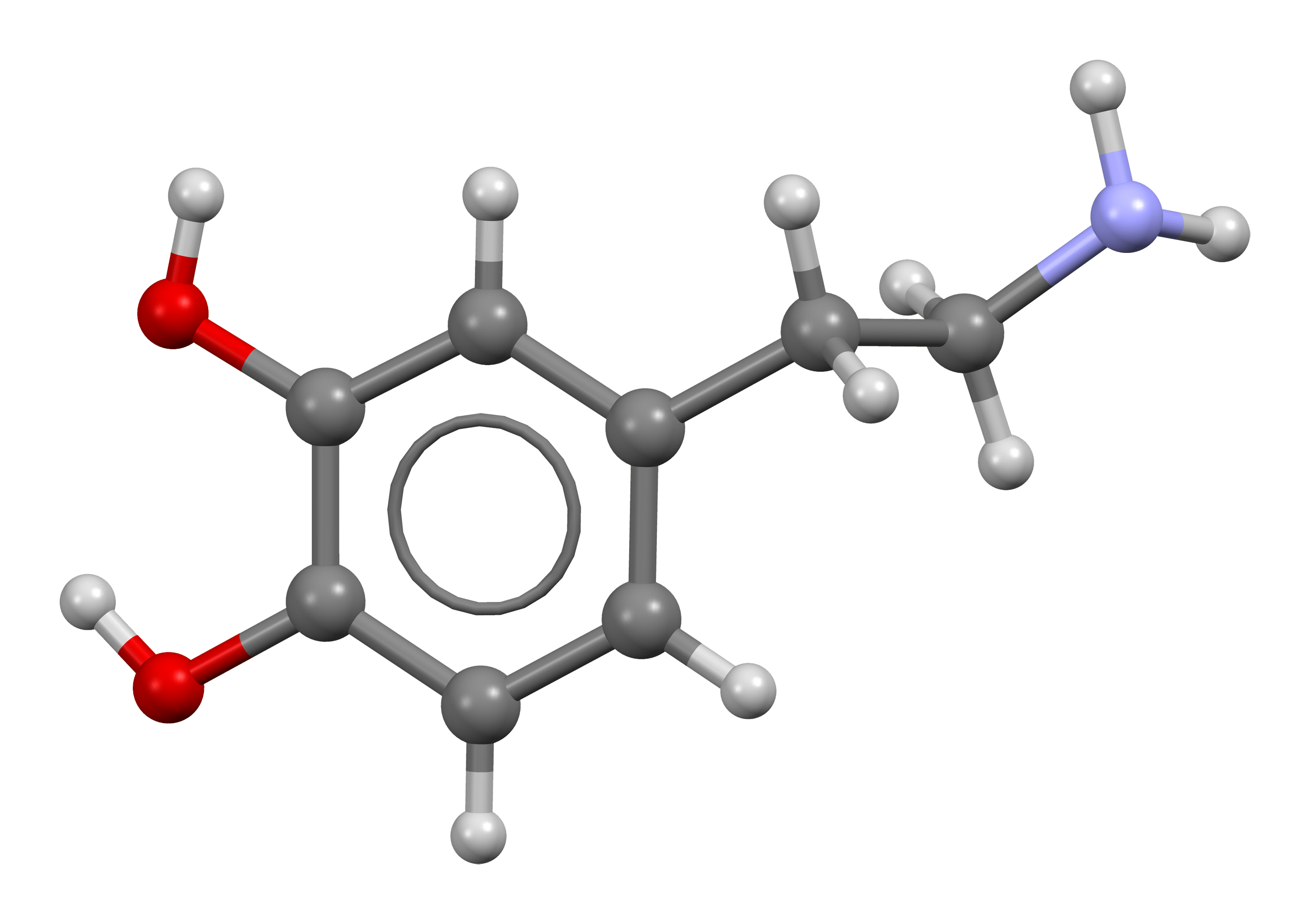
Dopamine is a crucial neurotransmitter and hormone that plays a significant role in the brain's reward system, motivation, pleasure, and motor control. It's synthesized in several areas of the brain, including the substantia nigra and ventral tegmental area, and acts on dopamine receptors throughout the central nervous system. While often associated with pleasure, its primary function is more accurately described as driving motivation and reinforcing behaviors that lead to rewards, whether natural or artificial. Dysregulation of dopamine pathways is implicated in various neurological and psychiatric conditions, including Parkinson's disease, addiction, and schizophrenia.
🧠 What is Dopamine?
Dopamine is a neurotransmitter, a chemical messenger that plays a crucial role in the brain's communication network. It's synthesized in several areas of the brain, including the substantia nigra and the ventral tegmental area (VTA), and then released to act on dopamine receptors in various brain regions. While often simplified as the 'pleasure chemical,' its functions are far more complex, encompassing movement control, motivation, reward processing, and cognitive functions like attention and working memory. Understanding dopamine is key to grasping how our brains drive behavior and experience the world.
✨ The Role of Dopamine in Motivation & Reward
At its core, dopamine is intimately linked with motivation and the brain's reward system. When we anticipate or experience something rewarding – be it food, social interaction, or achieving a goal – dopamine levels surge. This surge doesn't just signal pleasure; it reinforces the behavior that led to the reward, making us more likely to repeat it. This mechanism is fundamental to survival and learning, driving us to seek out beneficial experiences. The intensity of the dopamine release can be modulated by factors like novelty and unpredictability, making certain rewards more compelling.
💡 Dopamine and Learning: Shaping Behavior
Dopamine is a critical player in how we learn and adapt. Through a process often described as 'reinforcement learning,' dopamine signals help the brain associate actions with their outcomes. When an action leads to an unexpected reward, dopamine release strengthens the neural pathways involved, making that action more likely in the future. Conversely, if an expected reward doesn't materialize, a dip in dopamine can signal that the previous action was not optimal, leading to behavioral adjustments. This continuous feedback loop, driven by dopamine, allows us to refine our strategies and navigate complex environments.
⚖️ Dopamine Imbalances: Too Much or Too Little
Disruptions in dopamine signaling are implicated in a range of neurological and psychiatric conditions. Conditions like Parkinson's disease are characterized by a significant loss of dopamine-producing neurons in the substantia nigra, leading to motor deficits such as tremors and rigidity. Conversely, excessive dopamine activity has been linked to symptoms of psychosis, as seen in schizophrenia, where it may contribute to hallucinations and delusions. Maintaining a delicate balance in dopamine levels is therefore essential for both physical and mental well-being.
💊 Medications Affecting Dopamine
Numerous medications exert their effects by modulating dopamine pathways. For instance, L-DOPA is a precursor to dopamine used to treat Parkinson's disease, directly increasing dopamine levels. Antipsychotic medications, often used for schizophrenia, typically work by blocking dopamine D2 receptors, reducing excessive dopaminergic signaling. Stimulants like amphetamines and methylphenidate increase dopamine release and block its reuptake, which is why they can be effective for ADHD but also carry a risk of abuse. Understanding these pharmacological interventions highlights dopamine's central role in treating various disorders.
📈 Dopamine's Connection to Addiction
The potent effects of dopamine on the reward system make it a central figure in the development and maintenance of addiction. Drugs of abuse often hijack the dopamine system, causing unnaturally large surges of dopamine that intensely reinforce drug-seeking behavior. This powerful reinforcement can override natural reward pathways, leading to compulsive drug use despite negative consequences. The brain adapts to these chronic dopamine surges, often leading to tolerance and withdrawal symptoms when the drug is absent, further perpetuating the cycle of addiction.
🔬 Research Frontiers in Dopamine Studies
Current research into dopamine is exploring its nuanced roles beyond simple reward. Scientists are investigating its involvement in decision-making under uncertainty, the subjective experience of time, and even social behaviors. Advanced imaging techniques and genetic studies are providing unprecedented insights into the precise circuits and receptor subtypes involved in different dopamine functions. Emerging theories suggest dopamine may signal 'prediction errors' – the difference between expected and actual outcomes – which is crucial for learning and adaptation.
🤔 The Dopamine Hypothesis: A Critical Look
The 'dopamine hypothesis' of addiction, which posits that all addictive drugs increase dopamine in the mesolimbic pathway, has been a dominant framework for decades. While it accurately captures the reinforcing properties of drugs, some researchers argue it oversimplifies the complex neurobiology of addiction. They point to the roles of other neurotransmitters like glutamate and serotonin, as well as the influence of learning, stress, and individual genetic predispositions, suggesting that dopamine is a necessary but not sufficient cause for addiction. This ongoing debate highlights the need for a more comprehensive understanding of addictive processes.
Key Facts
- Year
- 1876
- Origin
- First isolated by George Barger and James Ewens
- Category
- Neuroscience
- Type
- Concept
- Format
- what-is
Frequently Asked Questions
Is dopamine only about pleasure?
No, while dopamine is strongly associated with reward and pleasure, its functions are much broader. It's critical for motivation, motor control, learning, attention, and mood regulation. The 'pleasure chemical' label is an oversimplification of its complex role in the brain's intricate signaling pathways.
What happens if dopamine levels are too low?
Low dopamine levels are linked to several conditions. The most well-known is Parkinson's disease, characterized by motor symptoms like tremors and stiffness due to the loss of dopamine-producing neurons. Low dopamine can also contribute to symptoms of depression, fatigue, and lack of motivation.
What happens if dopamine levels are too high?
Excessive dopamine activity is associated with conditions like schizophrenia, where it may contribute to positive symptoms such as hallucinations and delusions. High dopamine levels can also be related to impulsivity and, in some contexts, can be a factor in the reinforcing effects of stimulant drugs.
How do antidepressants affect dopamine?
Most common antidepressants, like SSRIs (Selective Serotonin Reuptake Inhibitors), primarily target serotonin. However, some antidepressants, particularly those with broader mechanisms or atypical agents, can influence dopamine levels or signaling, though this is not their primary mode of action for treating depression.
Can you naturally increase dopamine levels?
While you can't directly 'boost' dopamine on command, certain lifestyle factors can support healthy dopamine function. These include getting adequate sleep, regular exercise, eating a protein-rich diet (which provides amino acid precursors for dopamine), and engaging in activities that provide a sense of accomplishment or enjoyment, which trigger natural dopamine release.
What is the difference between dopamine and serotonin?
Dopamine and serotonin are both crucial neurotransmitters but have distinct primary roles. Dopamine is heavily involved in reward, motivation, and movement. Serotonin is more associated with mood regulation, sleep, appetite, and digestion. While they interact and influence each other, their core functions differ significantly.