
Summary
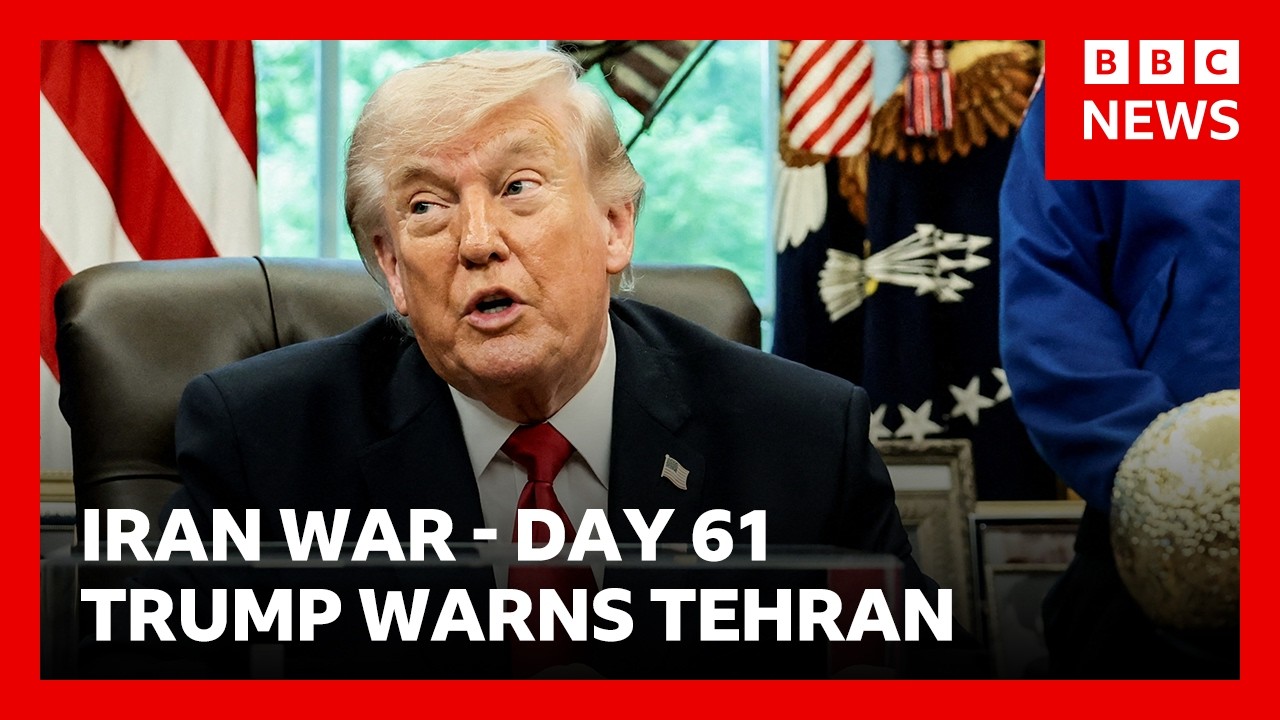
Former US President **Donald Trump** has asserted that **Iran** is experiencing a "state of collapse" and expressed a desire for the **Strait of Hormuz** to remain open. This statement, relayed by Press Secretary **Karoline Leavitt**, reiterates Trump's long-standing demands for peace with Tehran. The claims come amidst ongoing geopolitical tensions in the Middle East, where the Strait of Hormuz is a vital artery for global oil transport. Trump's rhetoric often emphasizes strength and a desire for de-escalation on his terms, a stance that has historically shaped US foreign policy in the region.
Key Takeaways
- Former President Trump claims Iran is in a 'state of collapse'.
- He also stated Iran desires the Strait of Hormuz to remain open.
- These remarks were communicated by his Press Secretary, Karoline Leavitt.
- The Strait of Hormuz is a critical global energy transit route.
- Trump's statements reflect his long-standing foreign policy posture towards Iran.
Balanced Perspective
Donald Trump, through his press secretary, has made a public statement regarding the internal condition of Iran and its control over the Strait of Hormuz. The claim of "collapse" is a subjective assessment, and the desire for an open Strait of Hormuz reflects a strategic interest in maintaining unimpeded global trade routes. The actual internal state of Iran and its intentions regarding the Strait remain subjects of ongoing analysis by intelligence agencies and international observers.
Optimistic View
From this viewpoint, Trump's strong stance signals a potential pathway to de-escalation by projecting American resolve. The assertion of Iran's "collapse" could be interpreted as a sign that international pressure and sanctions are working, forcing Tehran to reconsider its regional actions. A more open Strait of Hormuz, under a potential Trump administration's influence, could ensure global energy security and reduce the risk of conflict stemming from maritime disputes.
Critical View
This perspective views Trump's statements as potentially inflammatory and destabilizing. Declaring a nation in "collapse" can be seen as a prelude to further aggressive action or as a tactic to undermine diplomatic efforts. The demand for an open Strait of Hormuz, while seemingly practical, could be interpreted as a unilateral assertion of power that disregards regional sensitivities and international maritime law, potentially escalating tensions and increasing the risk of military confrontation.
Source
Originally reported by The Independent