
Summary
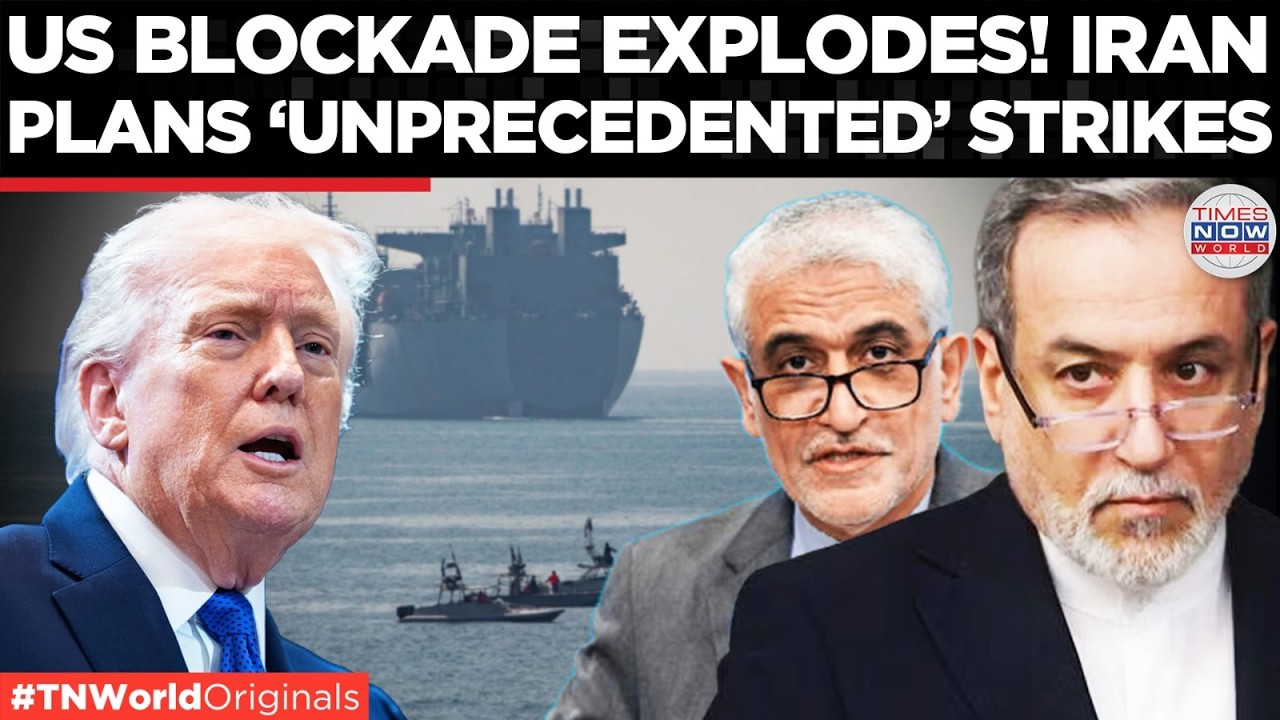
Iran's Islamic Revolutionary Guard Corps (IRGC) has issued a direct threat to attack over a dozen major **US tech firms**, including **Apple**, **Google**, and **Microsoft**, in the Middle East. The IRGC claims these companies enable US military operations, particularly in retaliation for the killing of **Supreme Leader Ali Khamenei**. This warning, posted on the IRGC's Telegram channel, follows earlier drone strikes on **Amazon Web Services** data centers and a list of regional offices published by an IRGC-affiliated agency. The conflict, which has already seen significant casualties on both sides, highlights the growing reliance of the **US Defense Department** on commercial tech vendors operating in volatile regions like the Gulf.
Key Takeaways
- Iran's IRGC has directly threatened to attack major US tech firms operating in the Middle East.
- Companies like Apple, Google, and Microsoft are named as targets, accused of enabling US military actions.
- This threat follows previous drone strikes on Amazon Web Services data centers.
- The IRGC's actions highlight the growing intersection of commercial technology and military operations.
- The situation represents a significant escalation in regional cyber and kinetic warfare.
Balanced Perspective
The IRGC's threat represents a significant escalation in the ongoing conflict, directly targeting civilian commercial infrastructure that also supports US military operations. The inclusion of major tech firms like **Apple**, **Google**, and **Microsoft** on a public target list, coupled with previous drone strikes on **AWS** data centers, indicates a deliberate strategy to inflict economic damage and disrupt critical services. The Pentagon's reliance on companies like **Palantir** for AI-driven targeting, as detailed in the article, underscores the complex entanglement of commercial technology and military objectives. The actual impact will depend on the IRGC's capabilities, the defensive measures taken by the targeted companies, and the broader geopolitical response.
Optimistic View
This threat could be a bluff, a tactic to sow fear and disrupt the burgeoning tech ecosystem in the Middle East. If US tech firms bolster their defenses and coordinate with regional security forces, the IRGC's kinetic and cyber capabilities may prove insufficient to cause significant damage. Furthermore, the international community might exert pressure on Iran to de-escalate, recognizing the severe economic and geopolitical repercussions of attacking global commercial infrastructure. The resilience of **US tech companies** and their ability to adapt could ultimately render these threats hollow.
Critical View
This threat signals a dangerous new frontier in asymmetric warfare, where civilian tech infrastructure becomes a legitimate battlefield. The IRGC's targeting of companies enabling US military operations, such as **Palantir**'s work on Project Maven, suggests a sophisticated understanding of US vulnerabilities. The potential for widespread disruption to cloud services, banking, and consumer platforms could have cascading economic effects across the region and globally. The IRGC's warning to employees and civilians also raises concerns about potential collateral damage and the blurring lines between state-sponsored conflict and non-state actor aggression.
Source
Originally reported by WIRED