
Summary
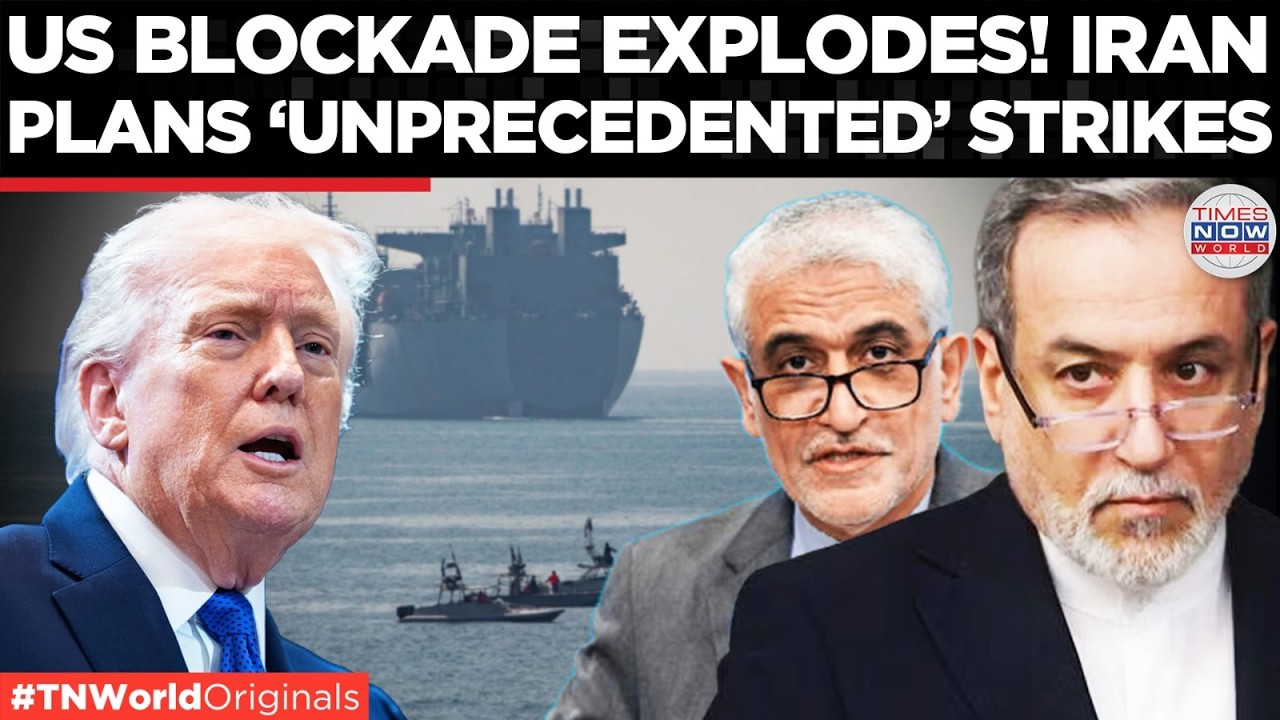
Iran's Islamic Revolutionary Guard Corps (IRGC) has declared its intention to target major **U.S. technology companies** operating in the **Middle East**. This announcement, made on a Tuesday, signals a potential escalation of geopolitical tensions into the digital and economic spheres. The IRGC specifically named companies like **Apple**, **Microsoft**, **Google**, **HP**, **Meta**, and **Tesla**, indicating a broad scope for these planned actions. The move suggests Iran is prepared to leverage its capabilities to disrupt the operations and market presence of these American tech giants within the region, potentially impacting supply chains, digital services, and consumer access to technology. This development underscores the growing intersection of national security, economic policy, and technological infrastructure in international relations, particularly concerning state actors like Iran and global tech behemoths.
Key Takeaways
- Iran's IRGC has explicitly threatened to target major U.S. tech companies operating in the Middle East.
- Companies like Apple, Microsoft, Google, HP, Meta, and Tesla are named as potential targets.
- The announcement signals a potential escalation of geopolitical conflict into the digital and economic spheres.
- The specific methods of 'targeting' remain undefined, creating uncertainty about the immediate impact.
- This move highlights the growing importance of technological infrastructure as a strategic asset in international relations.
Balanced Perspective
The IRGC's statement represents a **declarative threat** against U.S. tech companies in the Middle East. The specific mechanisms of these planned 'targets' remain undefined, ranging from cyberattacks and disinformation campaigns to economic sanctions or physical disruption of infrastructure. The actual impact will depend on the IRGC's capabilities, the specific vulnerabilities of the targeted companies, and the geopolitical responses from both the U.S. and regional powers. The statement itself is a significant geopolitical signal, regardless of immediate execution.
Optimistic View
This threat could spur greater **regional diversification** of technology infrastructure, reducing reliance on any single nation's companies. It might also encourage **enhanced cybersecurity collaboration** among Middle Eastern nations to build more resilient digital ecosystems, fostering indigenous tech innovation and creating new economic opportunities independent of U.S. influence. The focus on specific companies could lead to more targeted and effective defense strategies.
Critical View
This threat signals a dangerous escalation, potentially leading to **widespread cyberattacks** that could cripple essential services and disrupt regional economies. It risks creating a chilling effect on foreign investment in the tech sector across the Middle East, hindering innovation and economic growth. The targeting of major global companies could also trigger retaliatory measures, further destabilizing an already volatile region and potentially drawing in other international actors.
Source
Originally reported by The Hill