
Contents
Overview
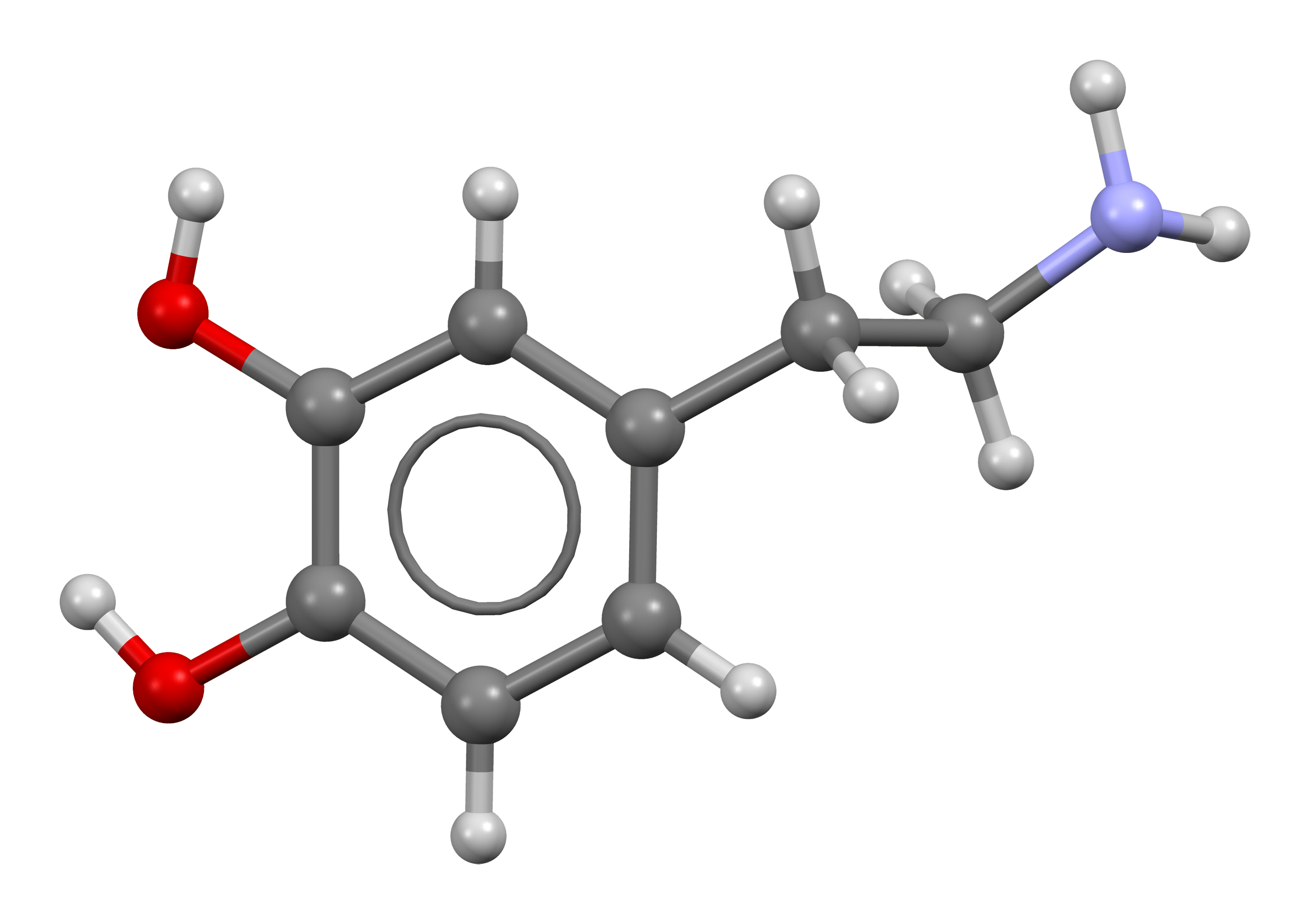
Dopamine, scientifically known as 3,4-dihydroxyphenethylamine (DA), is a vital organic compound belonging to the catecholamine and phenethylamine families. It functions as a neuromodulator, influencing a wide array of physiological and psychological processes. Synthesized from L-DOPA, dopamine is found not only in humans but also in plants and most animals, underscoring its fundamental biological role. In the central nervous system, it acts as a neurotransmitter, facilitating communication between neurons. Its most celebrated role is in the brain's reward pathways, where it underpins the motivational drive behind seeking pleasurable experiences and reinforces behaviors that lead to such outcomes. This makes dopamine central to understanding everything from habit formation to the mechanisms of addiction.
🔬 How It Works (Mechanics)
Dopamine exerts its influence by binding to specific dopamine receptors located on the surface of neurons. These receptors, classified into D1-like (D1 and D5) and D2-like (D2, D3, and D4) families, trigger intracellular signaling cascades that alter neuronal activity. When a neuron releases dopamine into the synaptic cleft, it travels across the gap to bind with receptors on the postsynaptic neuron. This binding can either excite or inhibit the receiving neuron, depending on the receptor type and location. After signaling, dopamine is cleared from the synapse through reuptake mechanisms, primarily via the dopamine transporter (DAT), or broken down by enzymes like monoamine oxidase (MAO) and catechol-O-methyltransferase (COMT). The precise balance of dopamine synthesis, release, reception, and clearance is critical for normal brain function.
📊 Key Facts, Numbers & Statistics
The mesolimbic pathway originates in the VTA and projects to the nucleus accumbens, and is heavily involved in pleasure and reward. The mesocortical pathway projects to the prefrontal cortex, influencing executive functions like planning and decision-making. Top reporting countries for dopamine include China, Russia, and Taiwan, often focusing on its role in neurological conditions.
🌍 Real-World Examples & Use Cases
The role of dopamine is vividly illustrated in several real-world contexts. Parkinson's disease involves motor deficits, a condition famously treated with L-DOPA, a precursor that the brain converts to dopamine. Antipsychotic medications often work by blocking dopamine D2 receptors. The addictive potential of substances like cocaine, amphetamines, and nicotine is largely due to their ability to hijack the dopamine system, causing unnaturally high surges of dopamine in the reward pathway, which reinforces drug-seeking behavior. Even everyday activities like eating a delicious meal or achieving a personal goal can trigger dopamine release, reinforcing those actions.
📈 History & Evolution
The understanding of dopamine has evolved significantly since its initial identification. Its role as a neurotransmitter was recognized in the 1950s by Arvid Carlsson, who later won a Nobel Prize for his work. Early research focused on its motor control functions, particularly in relation to Parkinson's disease. The discovery of its involvement in reward and motivation in the 1970s and 1980s, spearheaded by researchers like Roy Wise and Roy Wise, revolutionized our understanding of addiction, pleasure, and motivation. This expanded view has since been further refined by advances in neuroimaging and molecular biology, revealing dopamine's intricate involvement in a vast spectrum of behaviors and cognitive processes, including ADHD and obesity.
⚡ Current State & Latest Developments
Current research continues to unravel the complexities of dopamine signaling. Advances in optogenetics and chemogenetics allow scientists to precisely control and monitor dopamine neuron activity in animal models, providing unprecedented insights into its function in real-time. There's growing interest in dopamine's role beyond the classic reward pathways, exploring its influence on social behavior, learning flexibility, and even creativity. The development of novel therapeutic strategies for dopamine-related disorders, such as more targeted Parkinson's treatments and refined antipsychotic medications, remains a key focus. Furthermore, the interplay between dopamine and other neurotransmitter systems, like serotonin and glutamate, is an active area of investigation, aiming for a more integrated understanding of brain function.
🔮 Why It Matters & Future Outlook
Dopamine's significance lies in its pervasive influence on nearly every aspect of our lives, from basic survival drives to complex decision-making. For individuals, understanding dopamine helps explain why certain activities are rewarding and how habits form, offering potential pathways for behavior change. For clinicians, it's a critical target for treating a range of debilitating neurological and psychiatric conditions. For society, it sheds light on the mechanisms of addiction and the development of effective interventions. The future likely holds even more nuanced understandings of dopamine's role, potentially leading to personalized treatments that fine-tune dopamine signaling for optimal mental and physical health, and perhaps even enhancing cognitive performance in healthy individuals.
🤔 Common Misconceptions
Several common misconceptions surround dopamine. One is that dopamine is solely the "pleasure chemical." While it is involved in pleasure, its primary role is in motivation and anticipation of reward, driving us to seek out experiences. Another misconception is that dopamine levels are simply "high" in addiction; the reality is more complex, involving dysregulation and altered receptor sensitivity. It's also often thought that dopamine is only produced in the brain, but it's synthesized in other organs like the kidneys and even in plants. Finally, the idea that dopamine is a simple on/off switch for behavior is an oversimplification; it's part of a complex network of neurochemical interactions that finely tune our responses.
Key Facts
- Category
- definitions
- Type
- concept
- Format
- what-is